
Marine research depends on accurate, continuous, and high-quality ocean data. From hydrographic surveys and seabed mapping to dynamic ocean observation and offshore infrastructure inspection, researchers and survey teams need platforms that can operate safely, efficiently, and repeatedly across complex marine environments.
Traditionally, many of these missions have relied on crewed research vessels. While essential for large-scale offshore campaigns, crewed vessels can be costly to operate, difficult to access limited waters including shallow, nearshore, and hazardous areas. This is where uncrewed surface vessels, or USVs, are becoming an increasingly valuable tool for modern marine science.
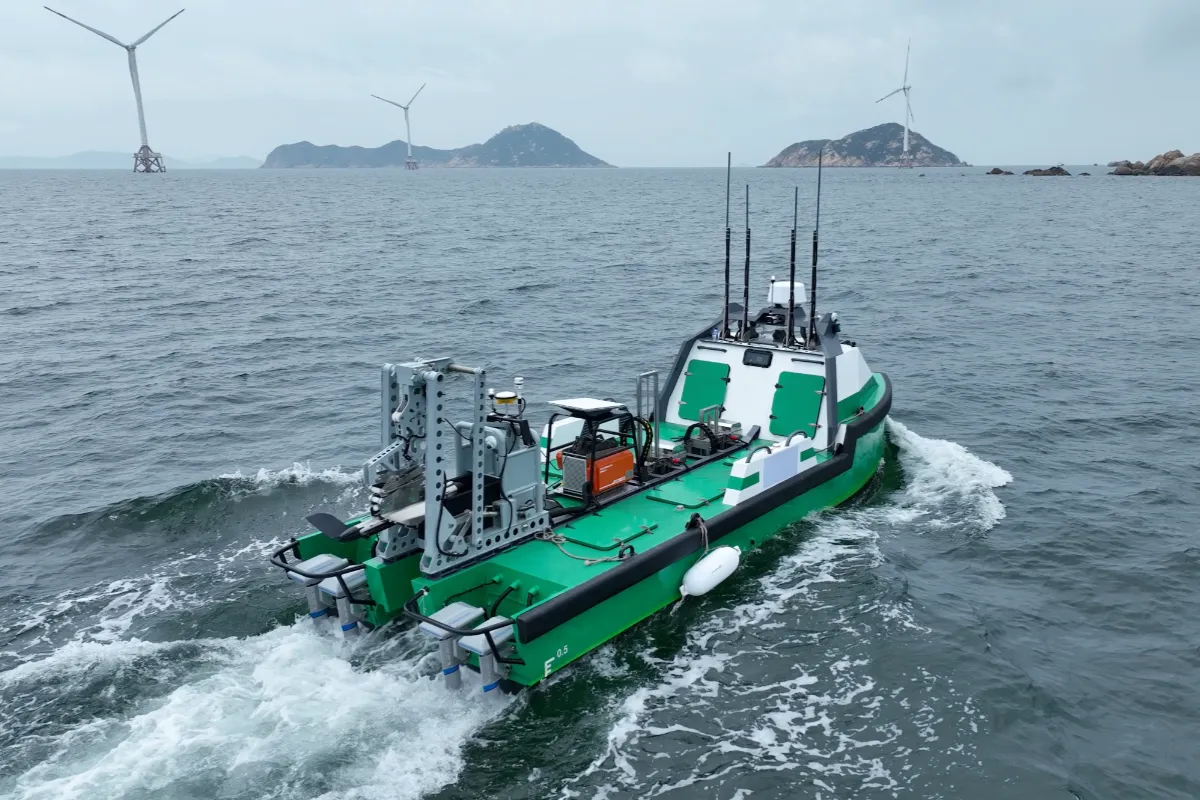
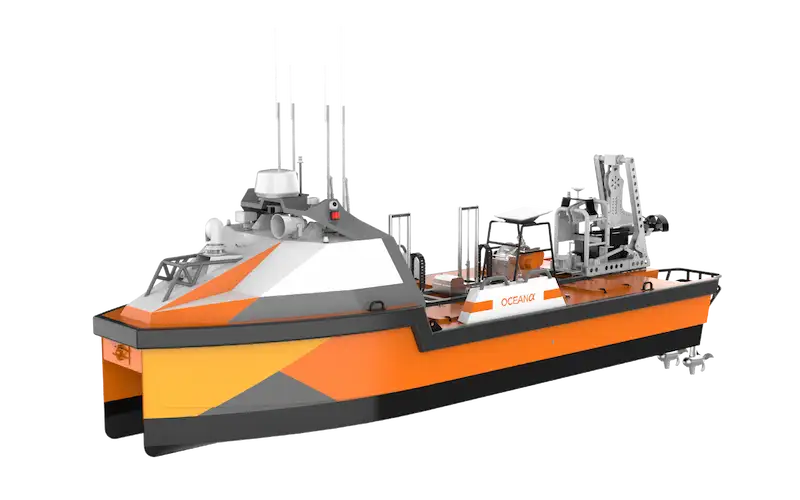
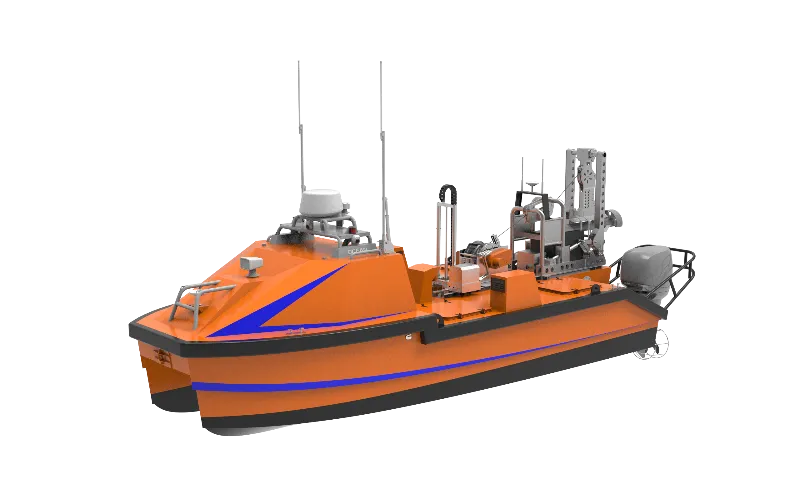
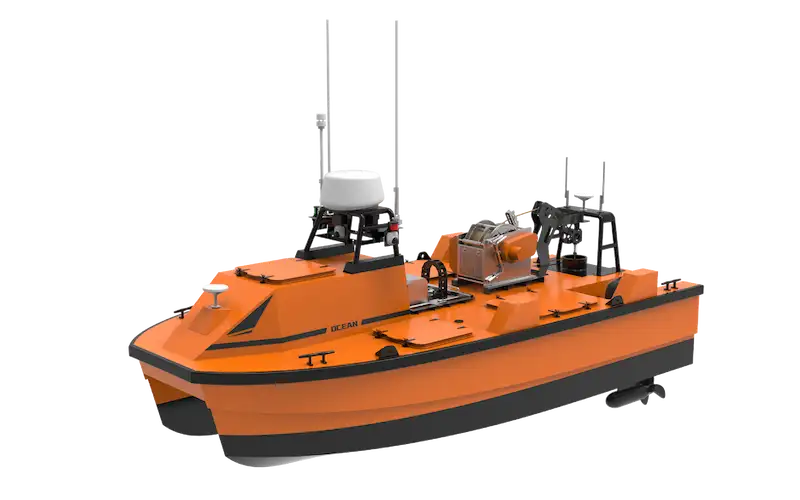
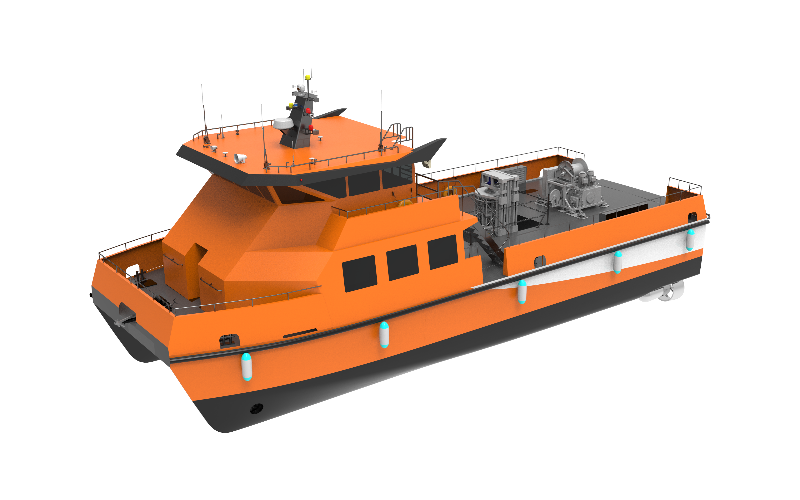
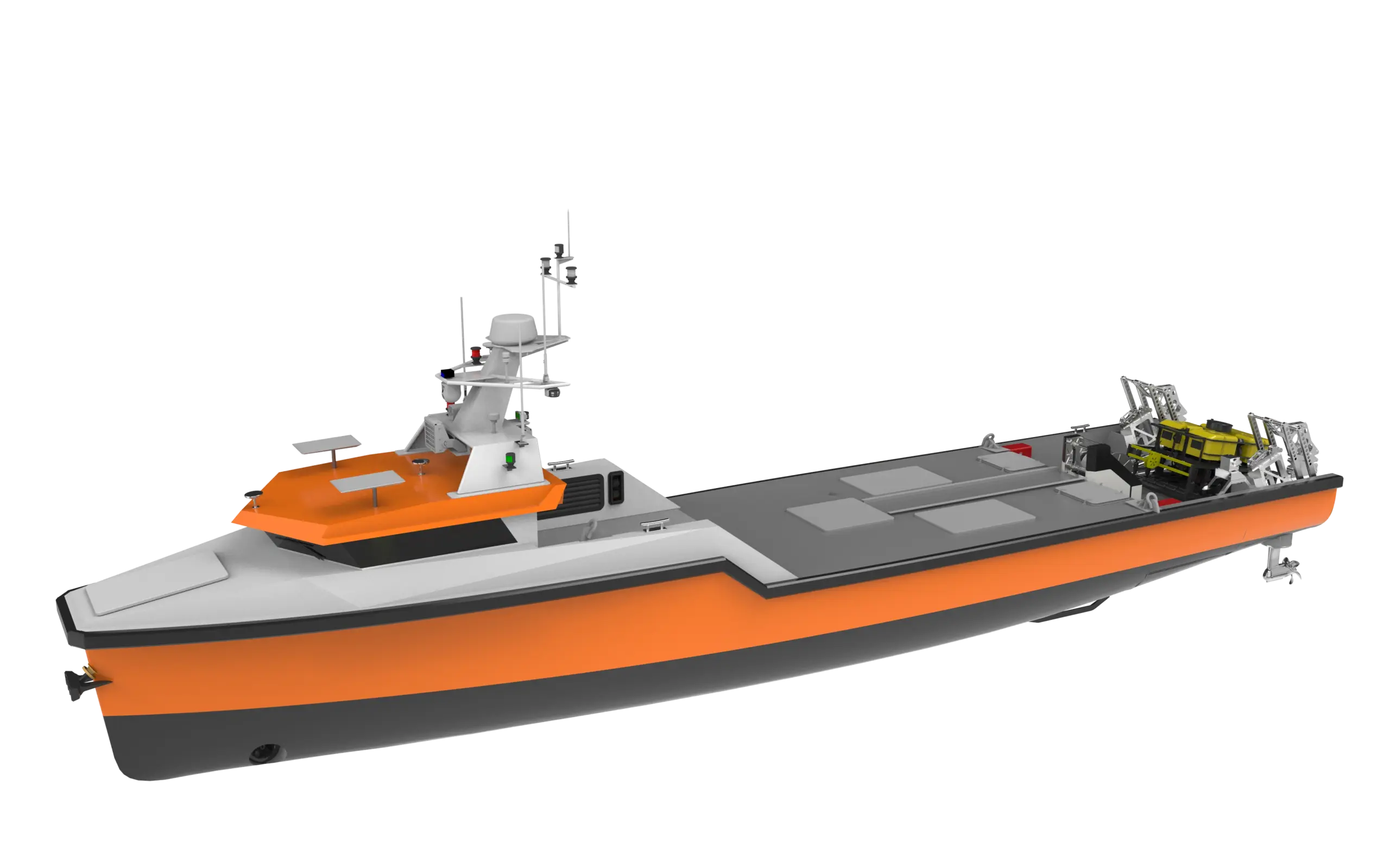
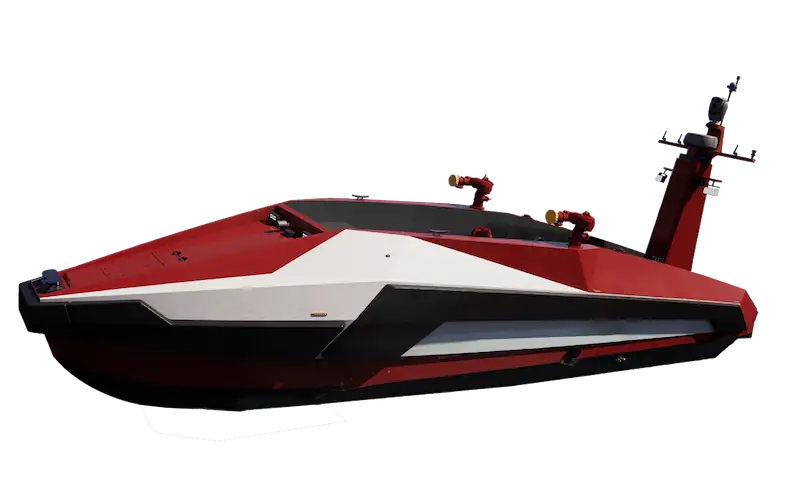
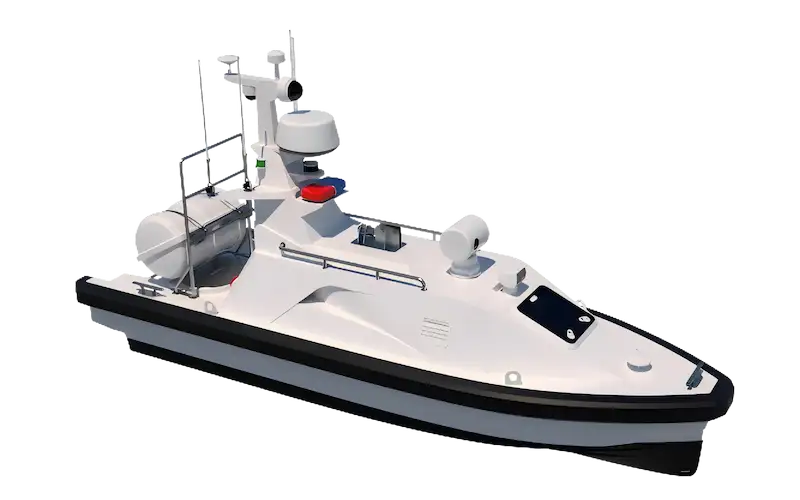
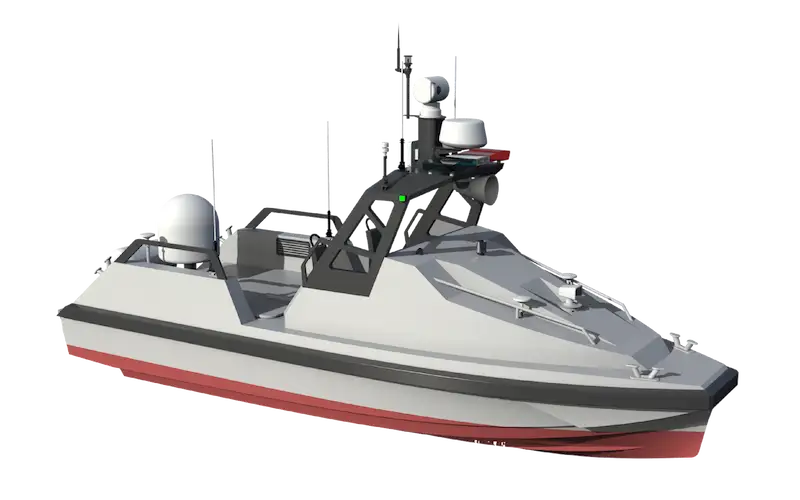
OceanAlpha develops USV solutions designed for marine survey, offshore operations, and ocean data acquisition. Platforms such as the L42 and V180 show how autonomous vessels can extend survey capability, reduce operational risk, and help teams collect more ocean data with fewer resources.
Why Marine Research Needs USVs
Ocean research often requires repeated measurements across large or difficult-to-access areas. A single survey may involve bathymetric mapping, water column profiling, acoustic observation, or inspection of subsea assets. Crewed vessels may face safety, draft, or cost limitations in shallow, coastal waters, around offshore wind farms, or near marine infrastructure,.
USVs help solve these challenges by acting as flexible mobile data platforms. They can follow planned survey lines, carry scientific sensors, and transmit mission data to operators onshore or aboard a mothership. For marine research teams, this means higher survey frequency, safer operations, and more efficient use of vessel time.
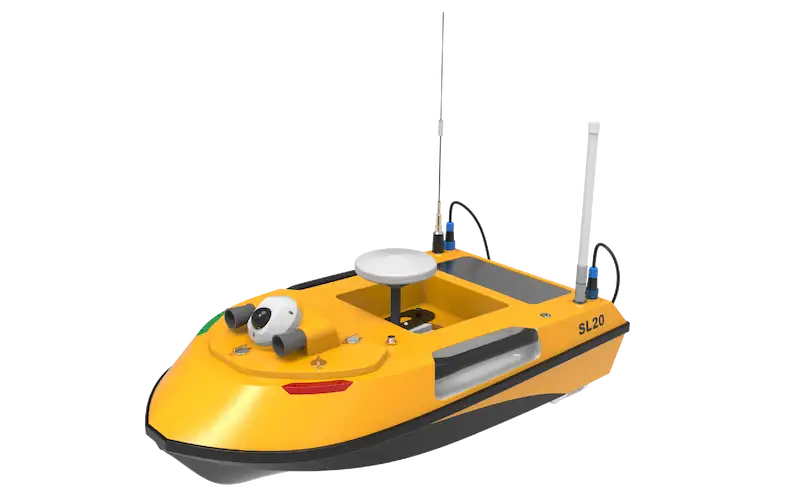
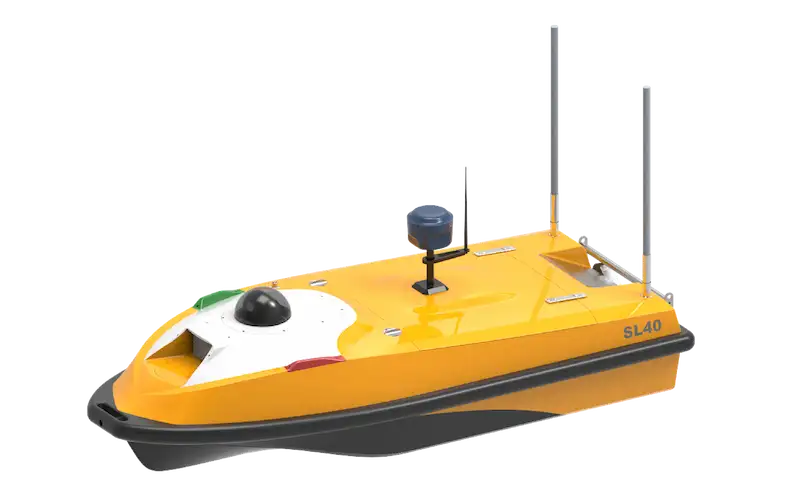
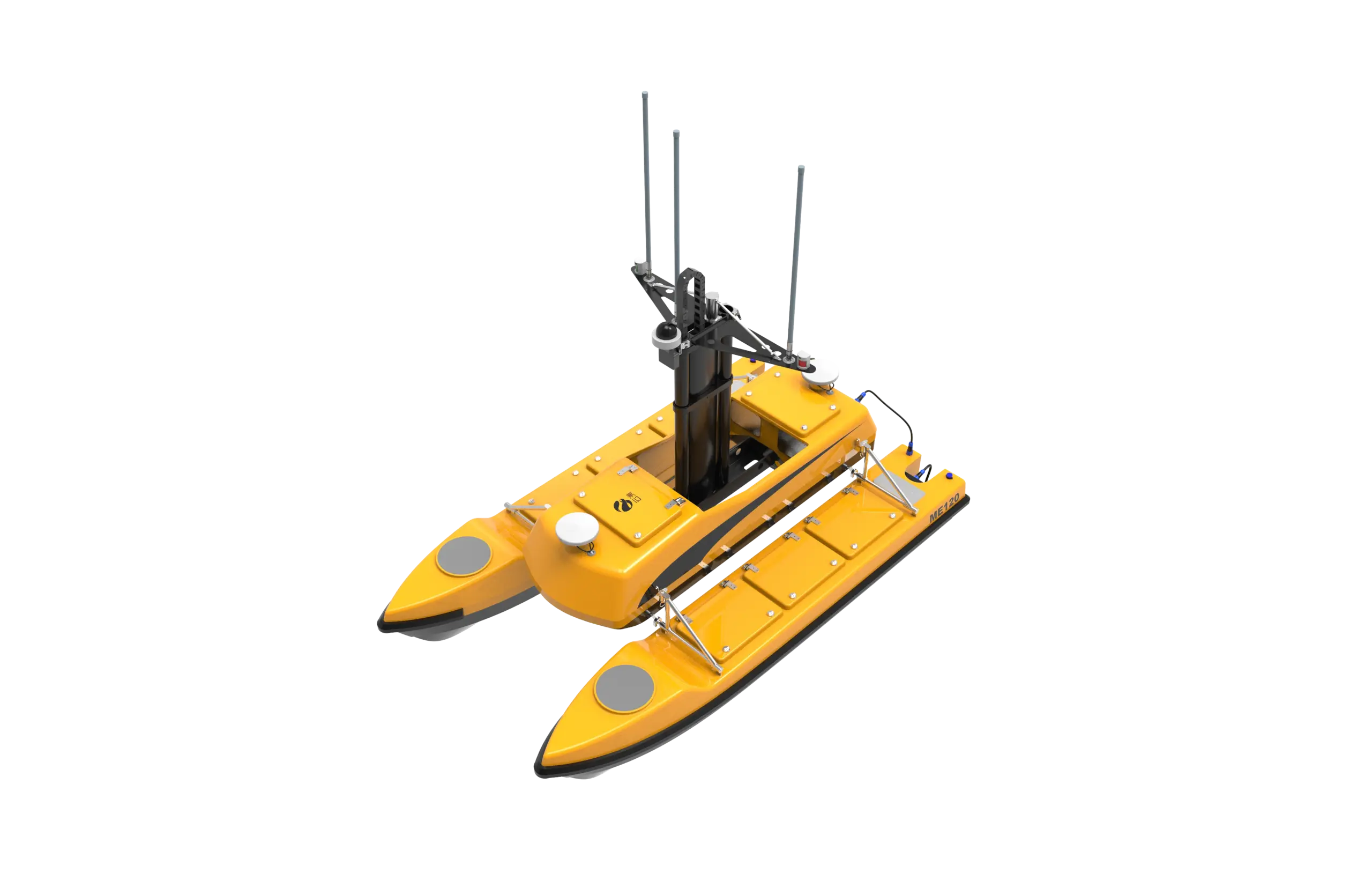
OceanAlpha describes its marine survey USVs as suitable for tasks including seabed mapping, geophysical exploration, shallow seabed exploration, hydrographic survey, offshore wind, pipeline inspection, and environmental monitoring.
Key Marine Research Applications of USVs
1. Hydrographic Survey and Bathymetric Mapping
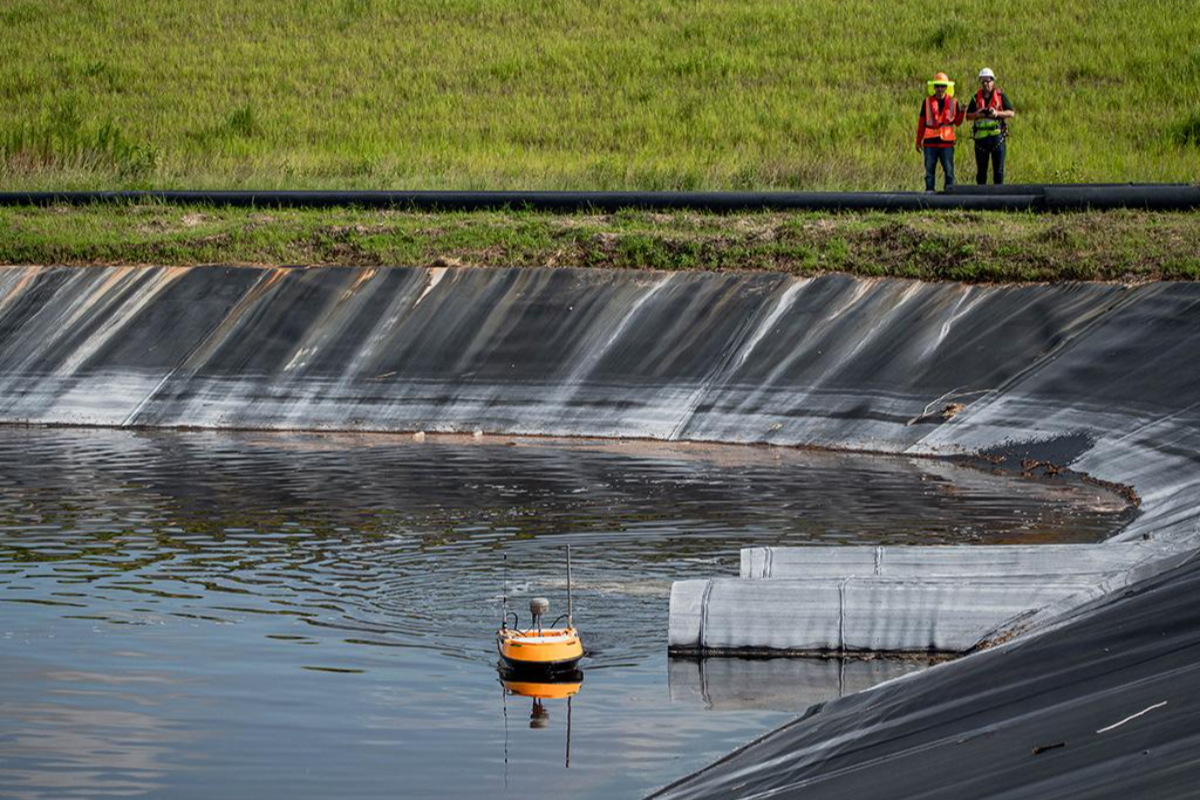
Hydrographic survey is one of the most common applications for marine research USVs. By integrating equipment such as multibeam echo sounders, positioning systems, and sound velocity sensors, USVs can map seabed terrain with high precision.
For coastal research, port maintenance, offshore construction, and infrastructure monitoring, USVs offer a major advantage: they can operate in shallow or restricted waters where larger crewed vessels may be less efficient.
2. Seabed and Geophysical Survey
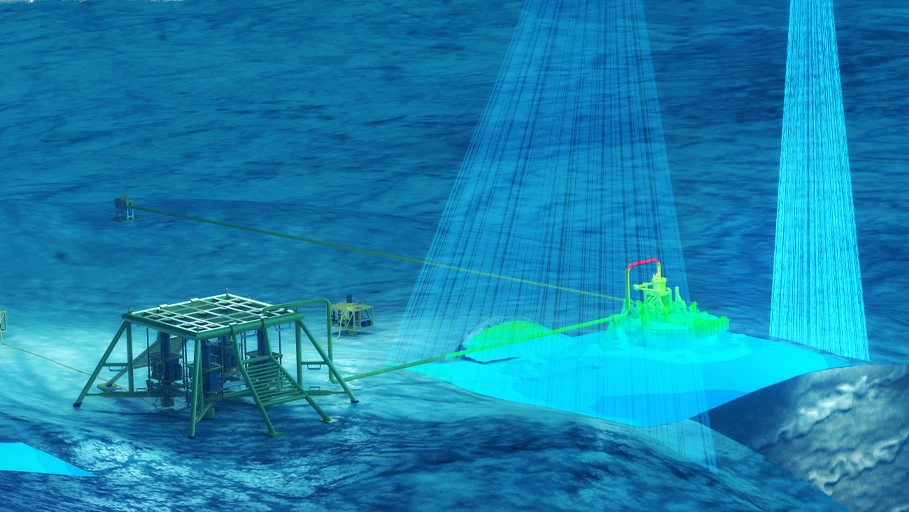
Marine research is not limited to measuring water depth. Many scientific and commercial projects also need information about seabed structure, sediment layers, or buried features. USVs can support geophysical survey missions by carrying or towing sensors such as side-scan sonar, sub-bottom profilers, and other acoustic payloads.
The OceanAlpha L42 is especially relevant for this type of work, which is engineered for hydrographic surveys, geophysical surveys, offshore wind farm inspections, and pipeline route mapping. It supports multi-sensor integration including MBES, SBP, SSS, USBL, and ADCP systems.
3. Dynamic Ocean Observation
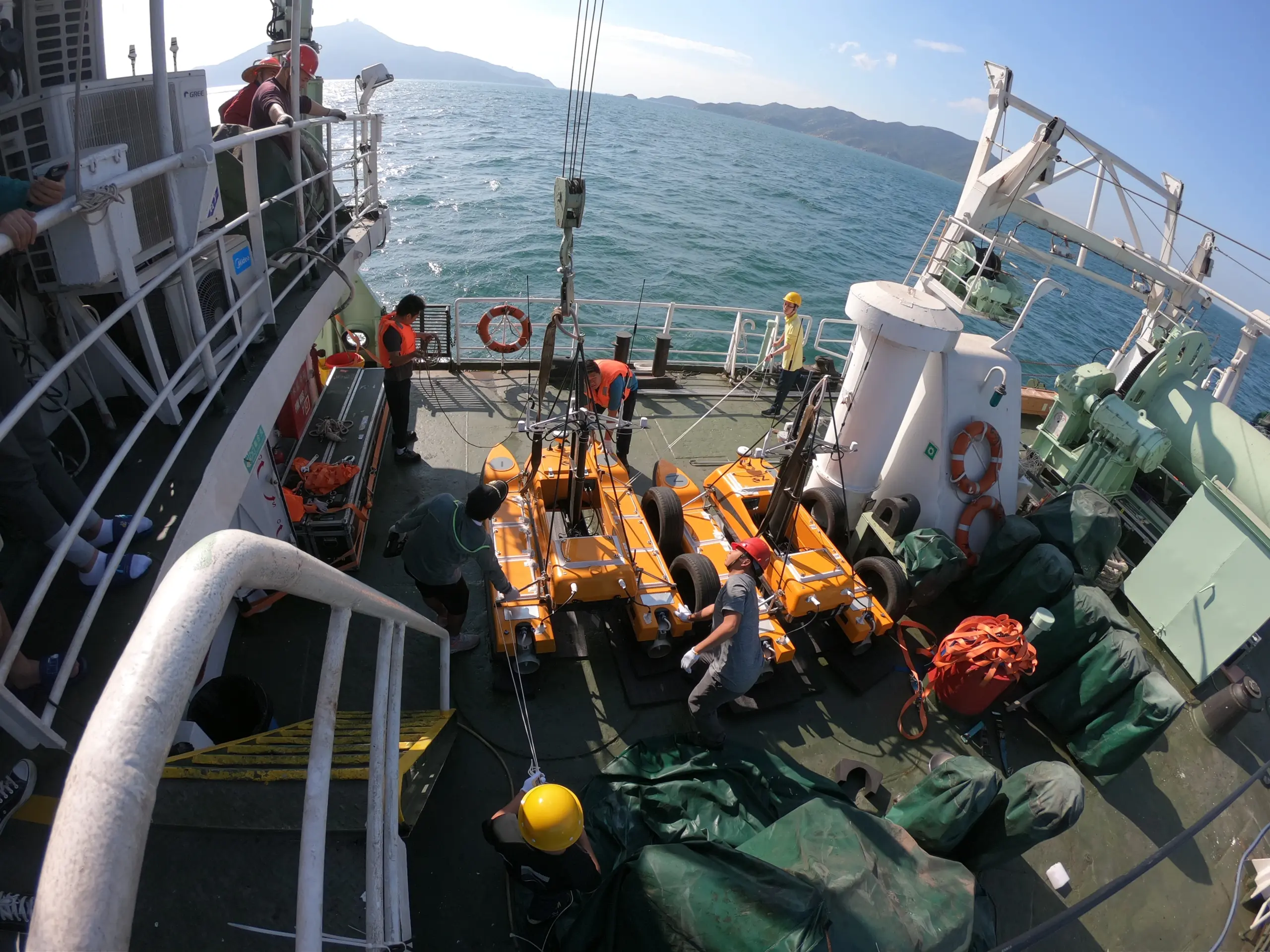
Fixed buoys and occasional research cruises can miss fast-changing ocean processes. Temperature fronts, nutrient flows, current shifts, and nearshore environmental changes may require mobile observation.
USVs can follow planned routes or adaptive survey patterns to capture data across space and time. This makes them useful for dynamic ocean observation, especially when paired with environmental sensors, acoustic instruments, and remote mission control.
4. Offshore Energy and Infrastructure Research
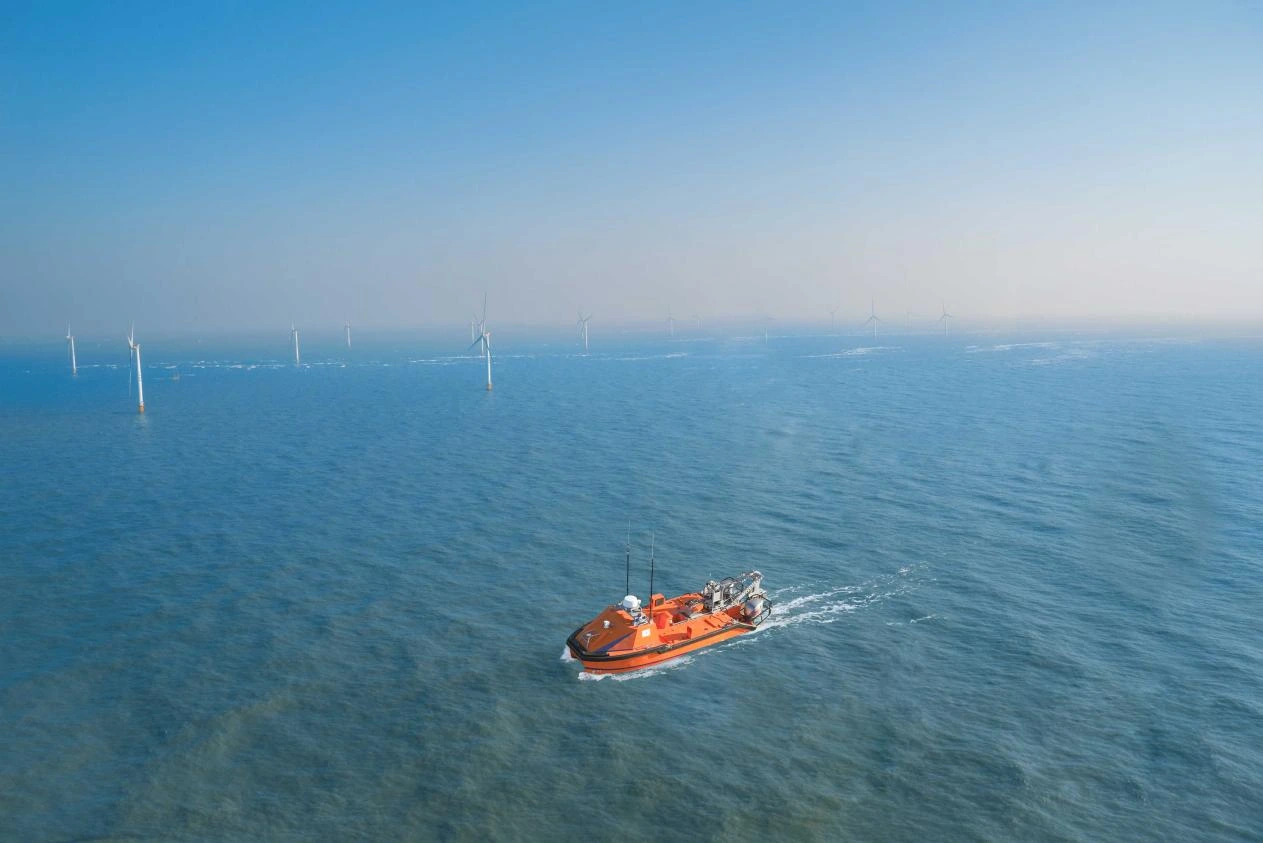
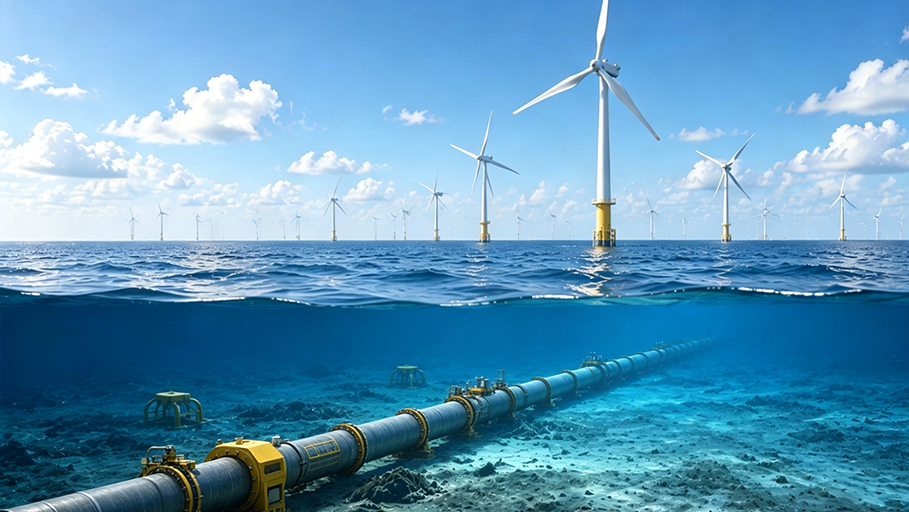
Offshore wind farms, subsea pipelines, cables, and marine structures require regular inspection and survey. USVs can help collect seabed and water column data around these assets while reducing the need for personnel to work in difficult offshore conditions.
For offshore research teams, USVs can support route surveys, post-construction monitoring, scour assessment, and repeat inspections. They can also work alongside larger vessels, ROVs, or other platforms as part of a wider ocean data acquisition system.
L42: Long-Endurance USV for Offshore Survey
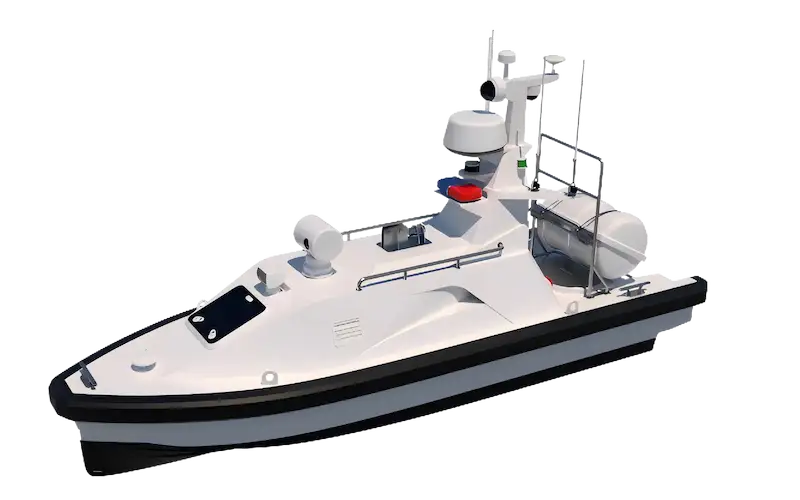
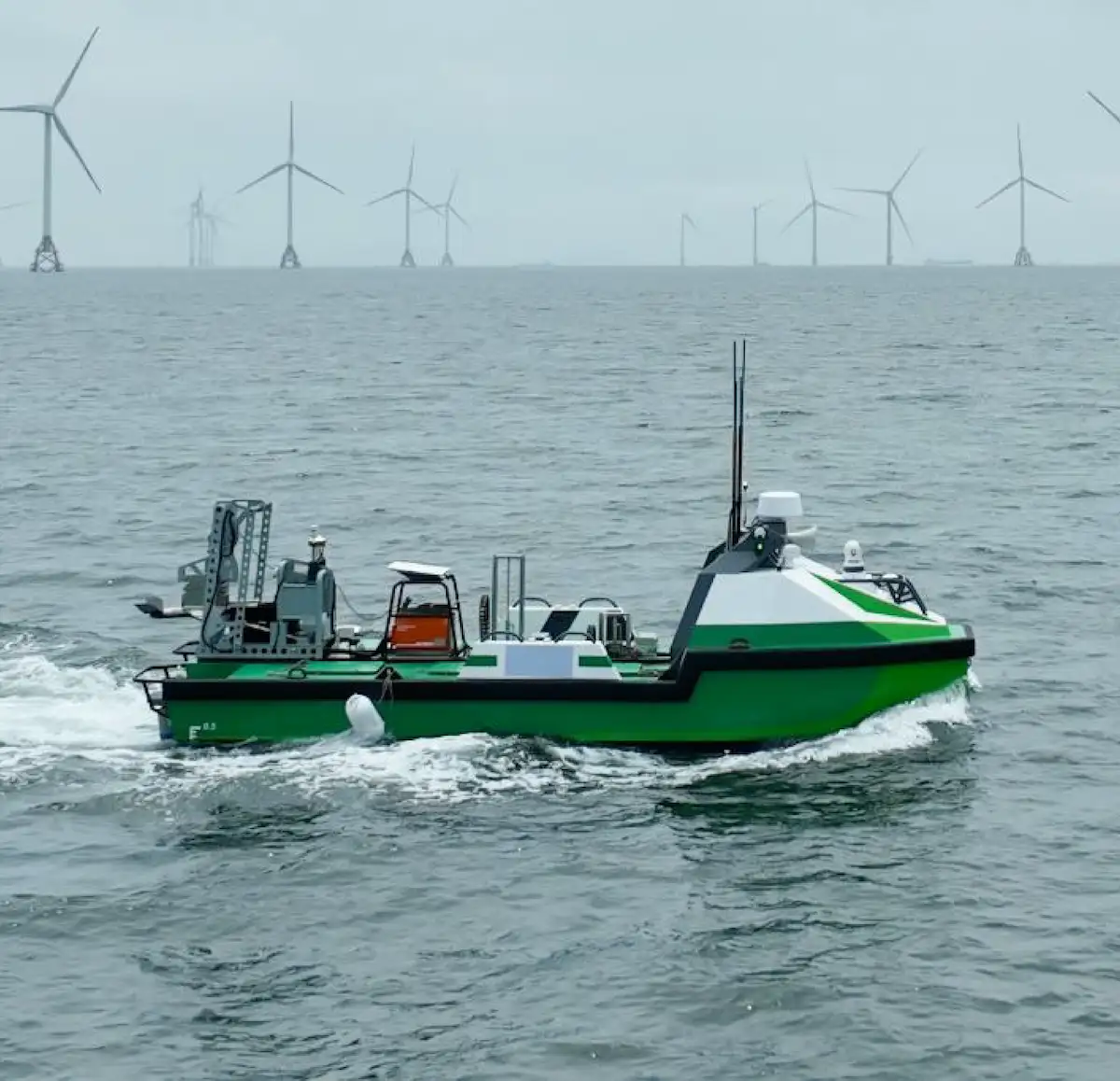
The OceanAlpha L42 is designed for long-endurance offshore hydrographic and geophysical survey missions. OceanAlpha shapes the L42 with up to 8 days of endurance, more than 1,500 km range, and a modular mission architecture for multi-sensor integration.
For marine research, this matters because long missions often require stable data collection over extended periods. With hybrid propulsion, redundant systems, and support for survey payloads, the L42 is well suited for offshore data acquisition where endurance and sensor flexibility are critical.
V180: ROV-Integrated Offshore USV for Marine Research and Survey
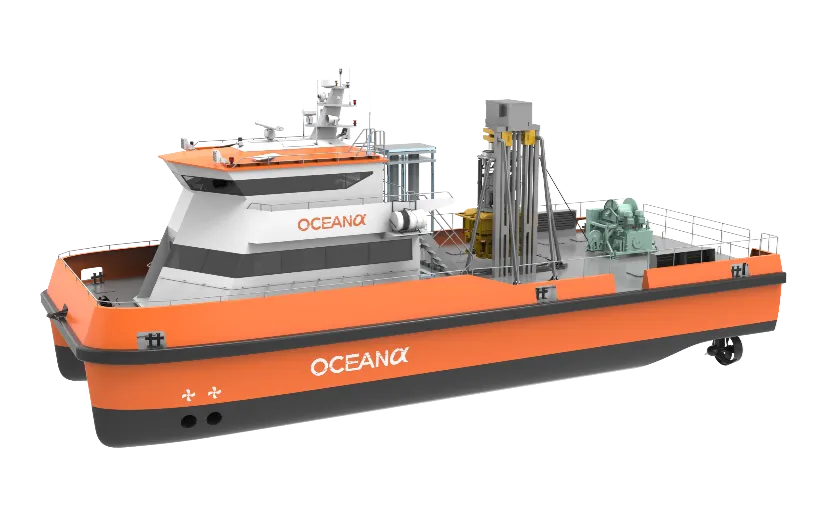
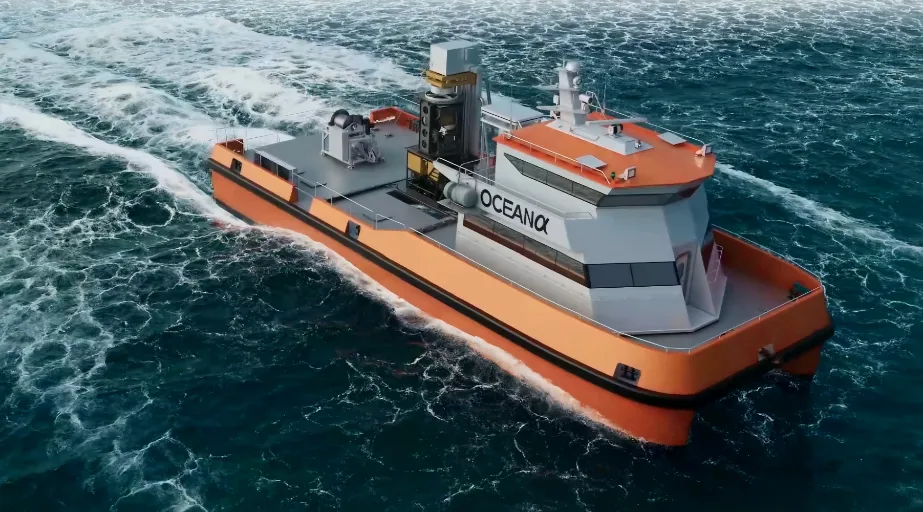
The OceanAlpha V180 is a 23.8 m-class catamaran platform designed to integrate a Work-Class ROV, TMS, LARS, acoustic positioning systems, and marine survey payloads into one coordinated offshore operating system. Its twin moonpools, hybrid-electric power system, remote-operation capability, and manned/uncrewed operating modes support complex offshore research and survey missions.
For marine science and offshore research, the V180 can support ROV inspection, seabed and route survey, and long-duration oceanographic and environmental data acquisition. Its DP2-capable architecture is designed for stable positioning during ROV and subsea operations, while an uncrewed endurance of up to 30 days on a defined duty profile can reduce dependence on large conventional crewed support vessels for selected missions.
Benefits of USVs for Marine Research Teams
USVs bring several practical advantages to marine research and ocean survey operations.
They improve safety by reducing the need for people to enter hazardous or hard-to-reach waters. They lower operational costs by reducing crew-related expenses and enabling more efficient survey planning. They improve data density by following repeatable routes and collecting consistent measurements. They also support sustainability by using smaller, more efficient platforms for tasks that may not require a full-size research vessel.
Most importantly, USVs make ocean data collection more flexible. A research team can deploy a USV from shore, from a port, or from a mothership, depending on the mission. This flexibility is valuable for universities, research institutes, hydrographic offices, offshore energy companies, and marine engineering teams.
The Future of Marine Research Is Multi-Platform
The future of ocean research will not depend on one platform alone. Instead, research teams will increasingly combine crewed vessels, USVs, AUVs, ROVs, buoys, satellites, and shore-based control systems.
In this network, USVs act as mobile surface data nodes. They can collect data directly, relay information from underwater systems, and extend the operational reach of research vessels. As autonomy, communications, and sensor integration continue to improve, USVs will become a standard part of modern marine research and ocean survey workflows.
Conclusion
USVs are reshaping how marine research and ocean survey missions are planned and executed. Platforms such as OceanAlpha’s L42 and V180 help teams collect high-quality ocean data with greater safety, flexibility, and efficiency.
For hydrographic survey, seabed mapping, geophysical exploration, dynamic ocean observation, and offshore infrastructure research, USVs are no longer just experimental tools. They are becoming practical, field-proven platforms for the next generation of marine science.