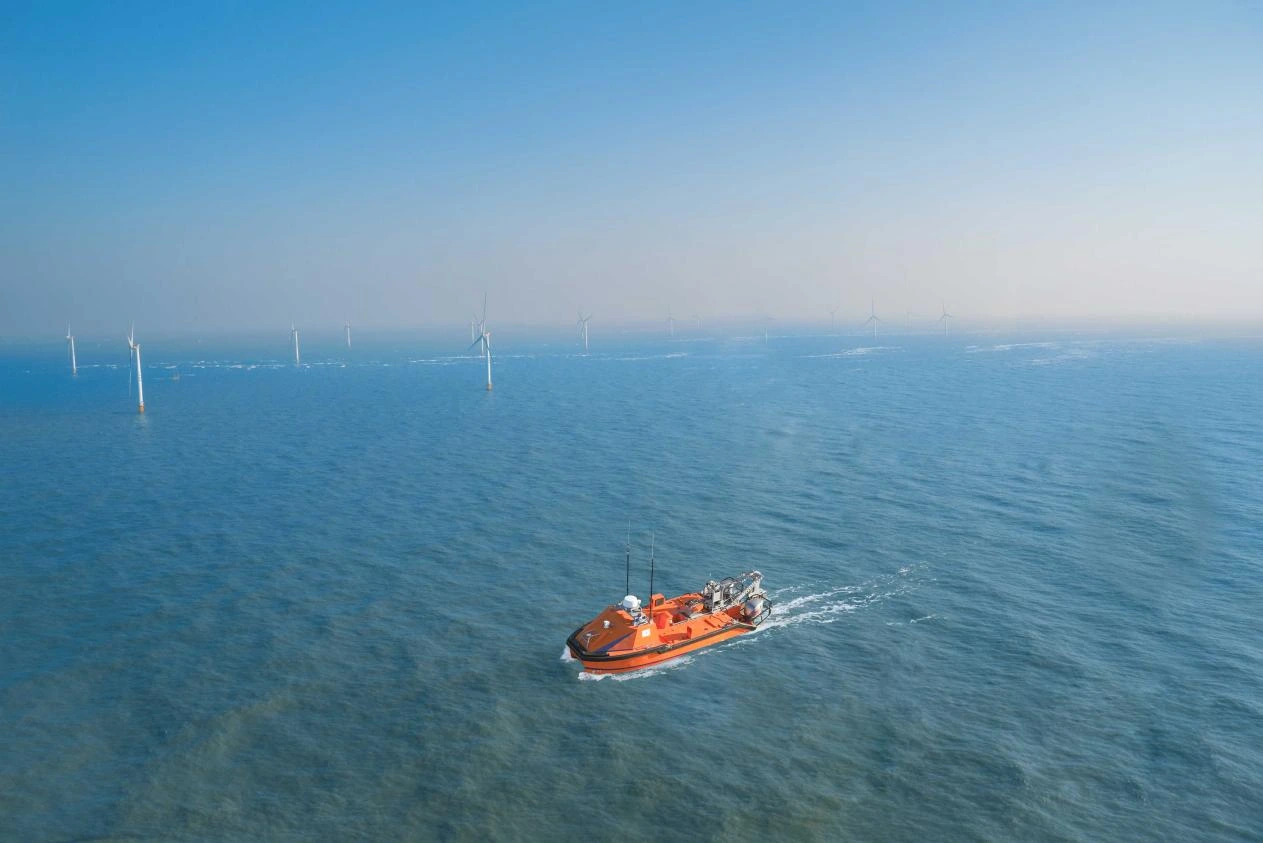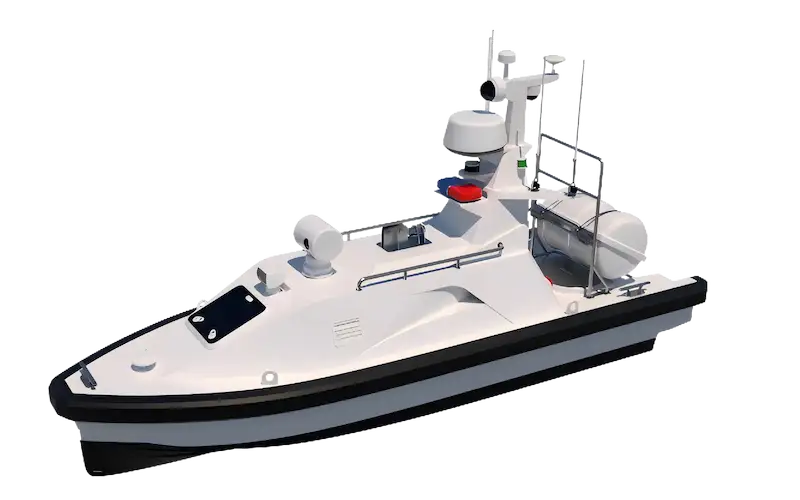
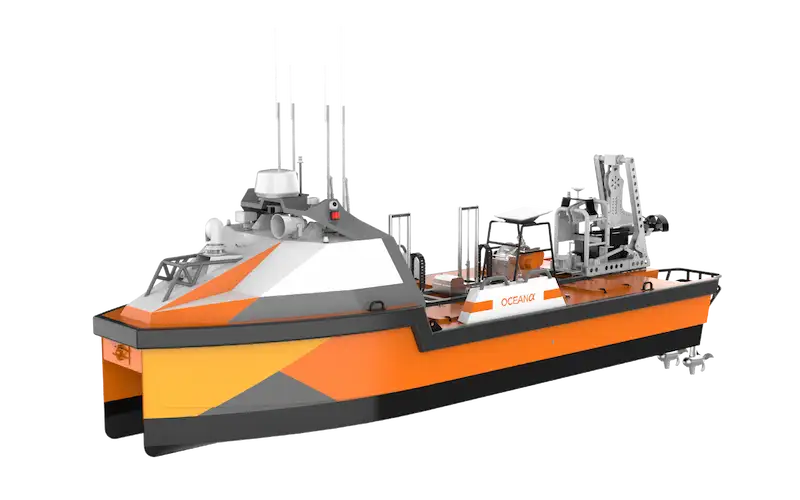
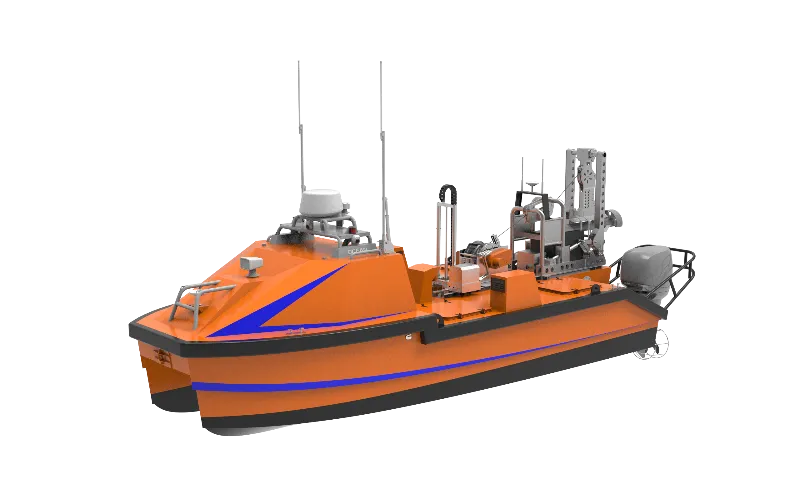
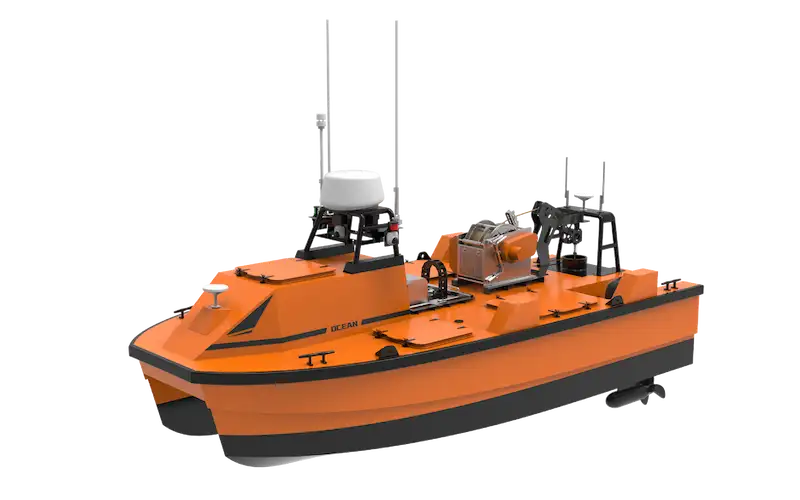
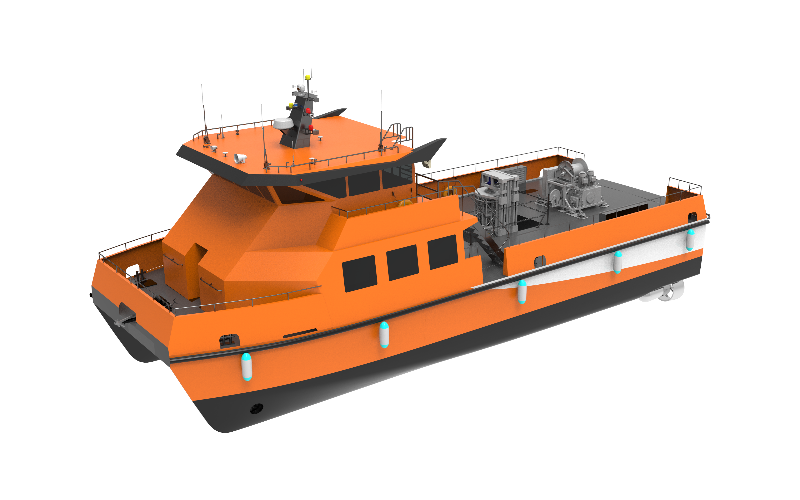
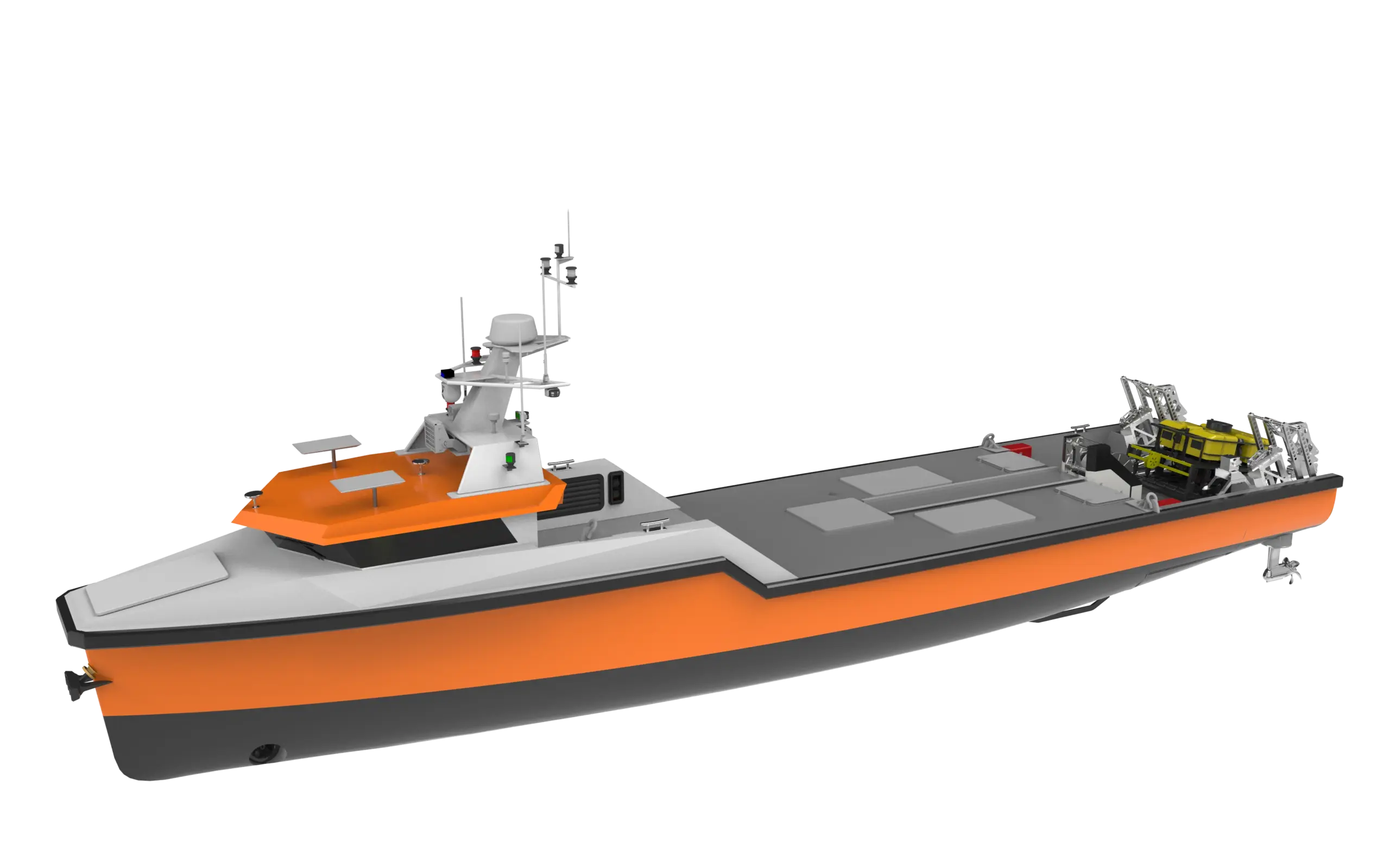
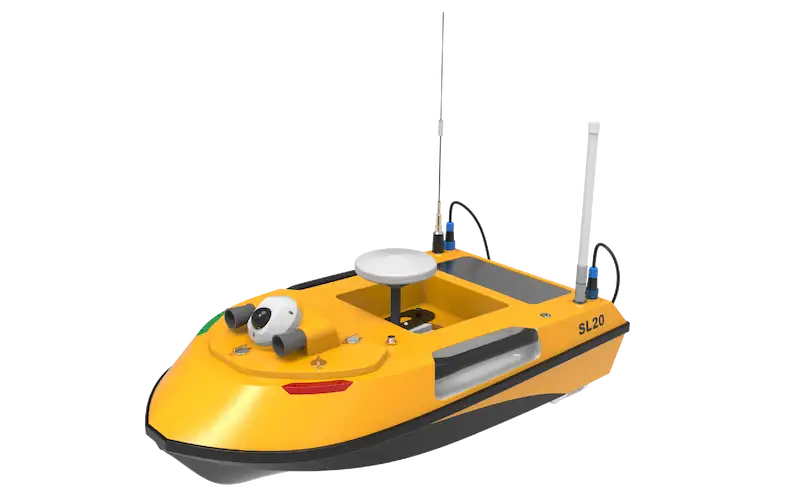
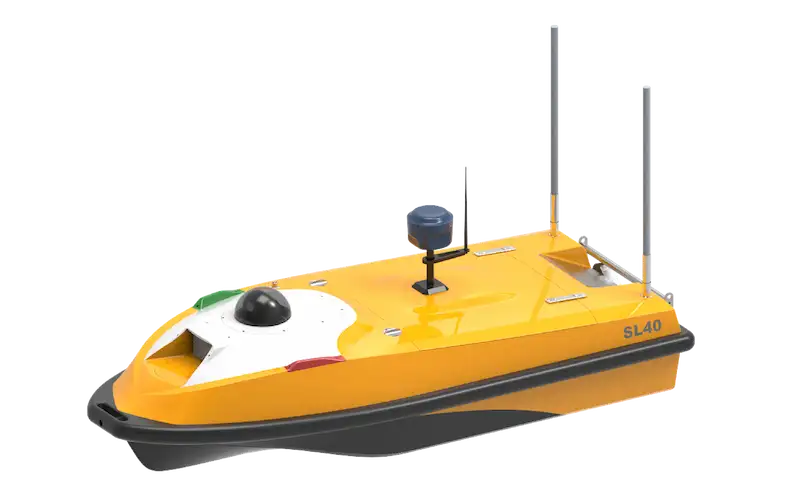
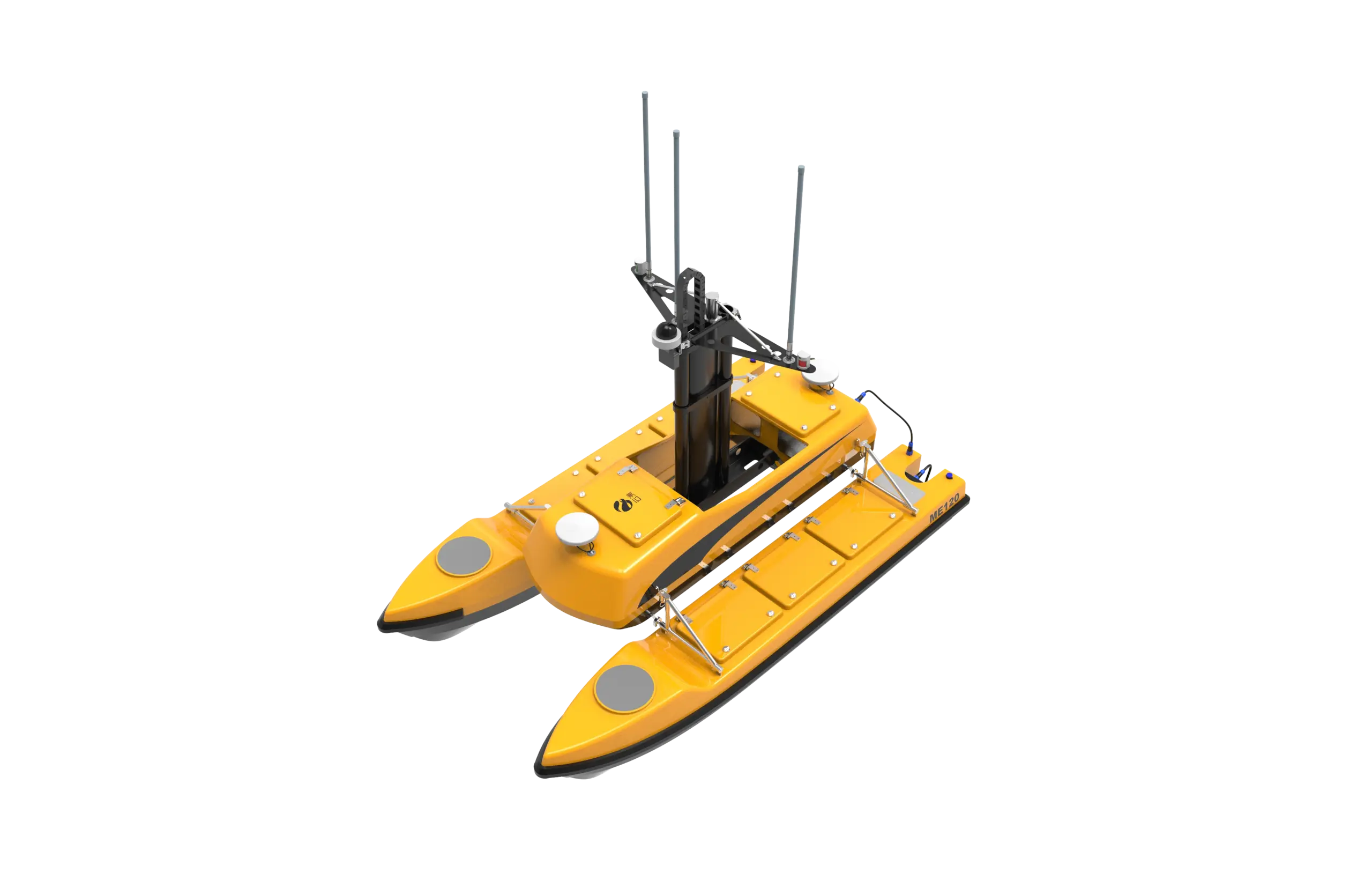
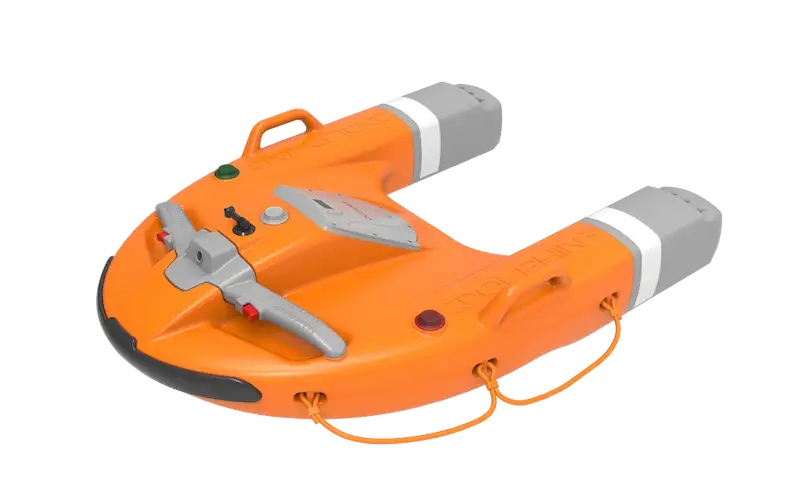

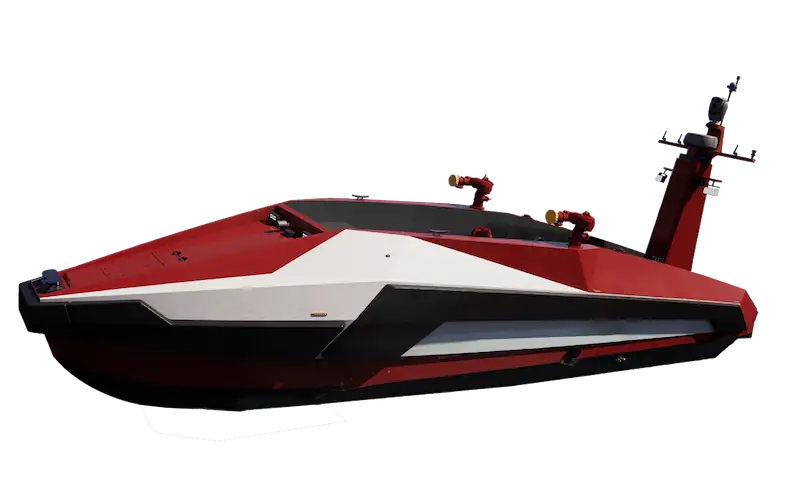
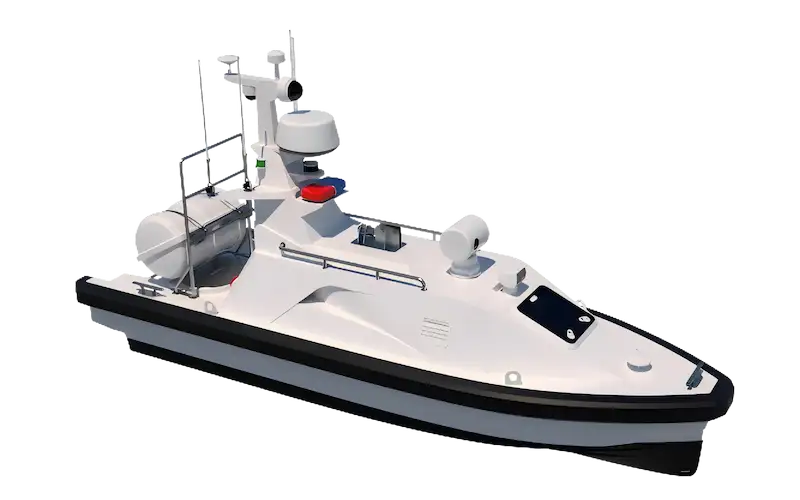
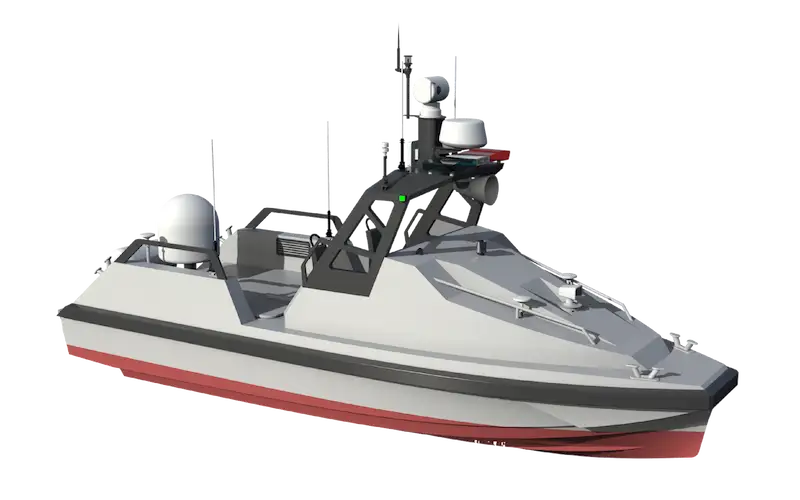
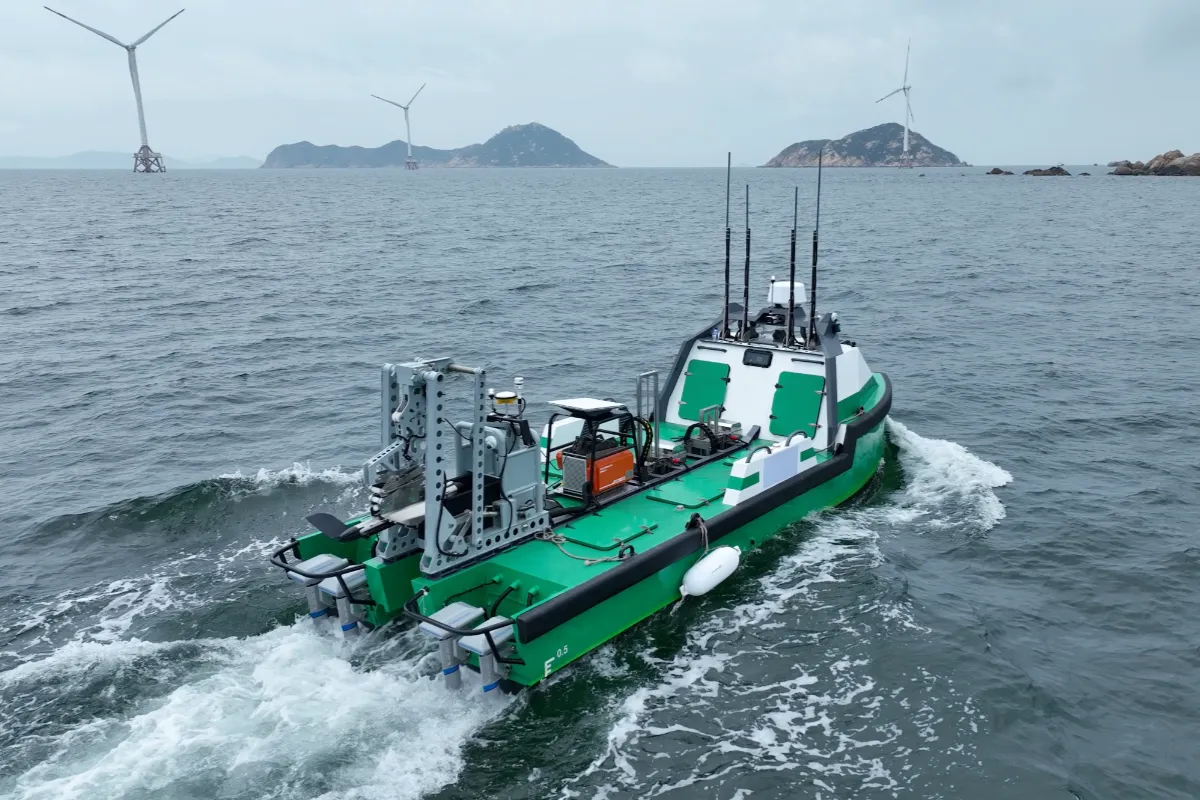
A USV (Uncrewed Surface Vehicle, also called an Unmanned Surface Vehicle or Unmanned Surface Vessel) is a vessel that operates on the water’s surface without an onboard crew. Depending on its design, it can be remotely controlled, semi-autonomous, or fully autonomous.
The Evolution: From Remote Control to Full Autonomy
The history of USVs dates back to World War II, but their capabilities have undergone a dramatic transformation . The technology has evolved through three primary stages :
Remotely Operated: Early USVs were essentially radio-controlled boats, requiring constant human input for navigation and task execution.
Semi-Autonomous: Modern USVs often feature semi-autonomous capabilities, able to follow pre-programmed waypoints while still supervised by a human operator.
Fully Autonomous: The frontier is fully autonomous surface vehicles (ASVs). These vessels can navigate, avoid obstacles, and complete complex missions with minimal to no human intervention .
USV vs. AUV, ROV, and UUV
Understanding how USVs fit into the broader unmanned marine ecosystem is crucial. Here is a quick breakdown:
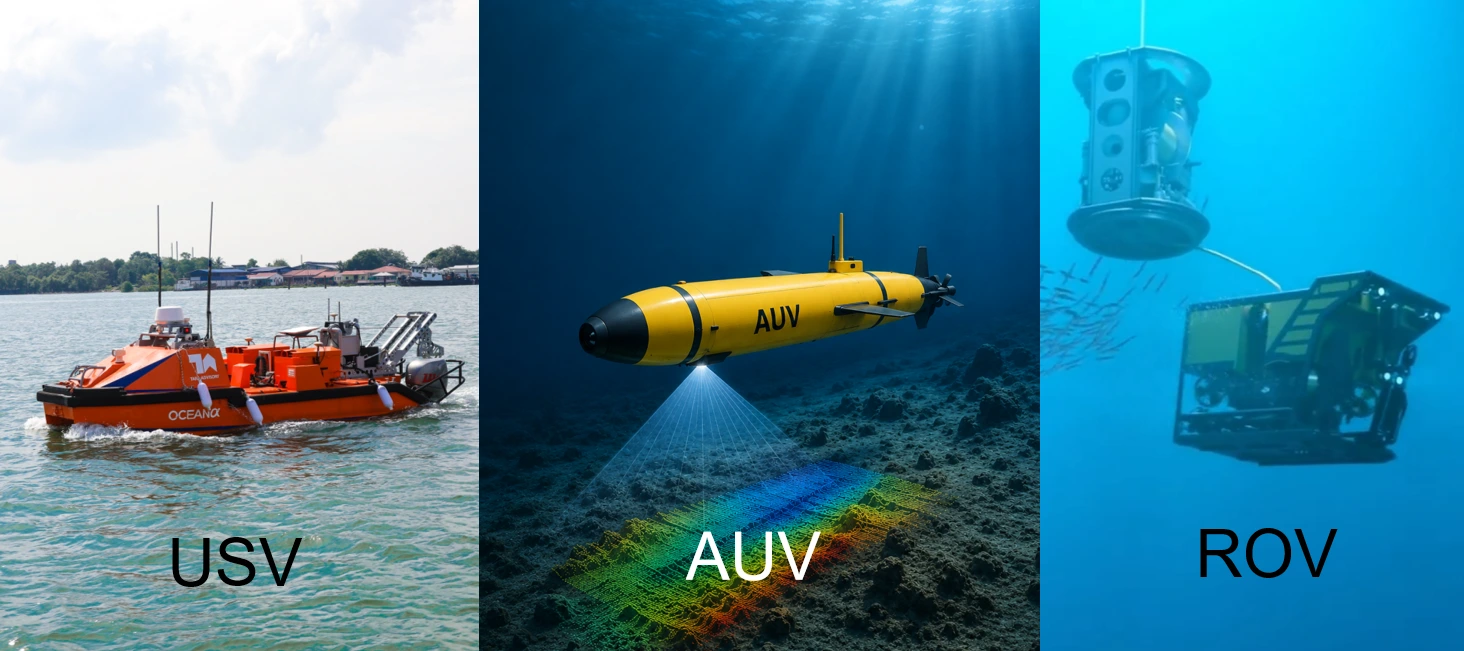
USV (Unmanned Surface Vehicle): Operates on the water’s surface, not underwater. They often serve as communication relays or support platforms for underwater vehicles and have distinct advantages for long-endurance surface missions.
AUV (Autonomous Underwater Vehicle): An untethered, self-guided underwater robot that follows a pre-programmed mission without real-time human control. Ideal for wide-area seafloor mapping and oceanographic surveys.
ROV (Remotely Operated Vehicle): A tethered underwater robot controlled in real-time by a human operator via a cable. Ideal for close-up inspections and intervention tasks like pipeline maintenance.
UUV (Unmanned Underwater Vehicle): An umbrella term for all unmanned vehicles operating underwater. This category includes both ROVs and AUVs. Think of UUV as the broad parent category, while USV sits alongside it as a surface-based counterpart.
| USV | AUV | ROV | |
| Operating area | Surface | Underwater | Underwater |
| Control | Remote / autonomous | Autonomous | Remote |
| Tether | No | No | Yes |
| Typical use | Survey / monitoring / patrol | Seabed mapping | Inspection / intervention |
| Endurance | Medium–long | Mission dependent | Support-vessel dependent |
Key USV Specifications
Modern USVs are defined by their technical specifications, which determine their suitability for various tasks. Typical parameters include :
Size & Payload: From compact 17kg units to heavy-lift 4.5-ton vessels. Some platforms can carry payloads exceeding 900kg .
Speed: Ranges from survey-focused 6 knots to high-speed patrol vessels exceeding 36 knots .
Endurance: Some advanced USVs use solar and wind power to stay at sea for up to three months .